The Magazine
Topic Astrology
Birth charts, transits, retrogrades and the timing techniques astrologers actually use.
Free tools in this topic

🇨🇳 中文 · 2026-11-02 · 9 min
2026年11月水逆金逆什么时候结束?双星顺行节点与关系沟通复位指南
详解2026年深秋水星与金星相继恢复顺行的确切时间表、阴影期影响与心理调适建议,帮助你在沟通延宕与情感波折中找回内在节奏与对话清晰度。

🇬🇧 English · 2026-10-31 · 10 min
Mars in Leo Transit Horoscope October 2026: Fire & Focus
Discover how the fiery momentum of Mars in Leo can revitalize your creative courage, ignite authentic leadership, and inspire bold action without triggering ego friction.
🇯🇵 日本語 · 2026-10-29 · 9 min
冥王星 順行 2026 影響 水瓶座の視点から紐解く個人の再生とこれからの社会の変革プロセス
2026年10月16日、深層の変革を司る冥王星が水瓶座で約5カ月間の逆行を終えて順行へと転じます。内省と見直しの季節を経て、滞っていた個人の自立や社会の再構築がどのように前進し始めるのか、恐怖に煽られない現実的な視点座から丁寧に解説します。

🇧🇷 Português · 2026-10-26 · 10 min
Vênus retrógrado outubro 2026: guia de amor e limites
Descubra como o trânsito de Vênus retrógrado em outubro de 2026 convida a rever acordos afetivos, curar feridas antigas e redefinir seus limites com maturidade e gentileza.

🇮🇳 हिन्दी · 2026-10-23 · 10 min
शुक्र वक्री 2026 का प्रभाव: रिश्तों की गहराई और आत्ममंथन
अक्टूबर 2026 में शुक्र की वक्री चाल भयभीत होने का नहीं, बल्कि प्रेम, व्यक्तिगत प्राथमिकताओं और भावनात्मक सीमाओं को सचेत होकर दोबारा परखने का निमंत्रण है।

🇬🇧 English · 2026-10-19 · 10 min
Venus Retrograde in Scorpio October 2026 Meaning: Love
When Venus turns backwards in Scorpio on October 3, 2026, hidden relationship truths surface. Here is how to navigate emotional depth and renew authentic intimacy.
🇩🇪 Deutsch · 2026-10-14 · 9 min
Horoskop Oktober 2026: Wichtige Transite im Überblick
Der goldene Herbst fordert Klarheit: Zwischen Waage-Harmonie und Skorpion-Tiefgang bringt das Horoskop Oktober 2026 Raum für Reflexion und ehrliche Neuausrichtung.

🇧🇷 Português · 2026-10-12 · 10 min
Horóscopo de Outubro 2026: Trânsitos e Transformação
Descubra as principais influências astrológicas de outubro de 2026 e aprenda a usar o movimento dos planetas para cultivar clareza emocional, relações saudáveis e foco pessoal.
🇮🇳 हिन्दी · 2026-10-09 · 9 min
मासिक राशिफल अक्टूबर 2026: ग्रहों के गोचर और मानसिक संतुलन
अक्टूबर 2026 का ग्रह चक्र आपके व्यक्तिगत और पेशेवर जीवन में क्या बदलाव ला रहा है? जानिए इस महीने के प्रमुख गोचर और भावनात्मक संतुलन के व्यावहारिक उपाय।
🇨🇳 中文 · 2026-10-08 · 9 min
2026年10月水星逆行时间表与生存全指南:天蝎座逆行期数码备份、深度沟通与情感复盘的心理学应对法则
2026年秋季的水星逆行将于10月24日在深邃的天蝎座正式拉开序幕。本文详细梳理从前期阴影到恢复顺行的完整关键节点,拆解电子设备故障、人际沟通隔阂与情感秘密翻涌的根本逻辑,为你提供一份不贩卖焦虑、注重向内审视与生活秩序重建的实用自我关怀与行动避坑指南。

🇪🇸 Español · 2026-10-07 · 9 min
Venus retrógrado octubre 2026: efectos en el amor
Una guía reflexiva para comprender los ciclos afectivos, el regreso de viejos vínculos y la reevaluación de tus valores personales sin caer en el pánico astrológico.

🇬🇧 English · 2026-10-06 · 9 min
Venus Retrograde October 2026 Meaning & Love Guide
Discover the true Venus retrograde October 2026 meaning, explore how this transit reshapes relationship dynamics, and learn practical steps for self-worth and emotional clarity.
🇮🇹 Italiano · 2026-10-05 · 10 min
Oroscopo Ottobre 2026: Transiti Astrologici e Guida ai Segni
Una bussola astronomica e simbolica per comprendere i passaggi planetari di ottobre 2026: riflessioni su relazioni, lavoro ed equilibrio interiore segno per segno.
🇸🇦 العربية · 2026-09-29 · 10 min
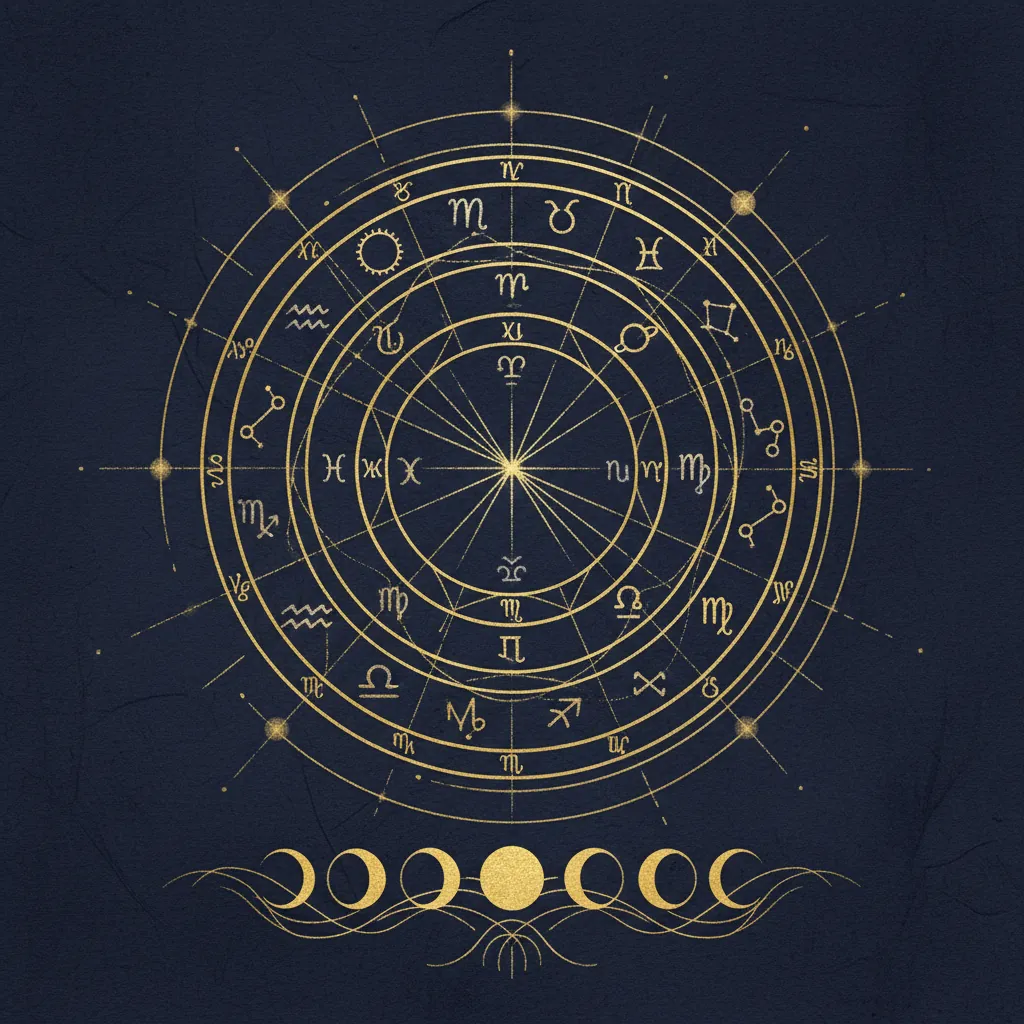
دليل المبتدئين الشامل لقراءة الخريطة الفلكية بدقة ووعي
تعلم كيف تفك شفرات خريطتك الفلكية خطوة بخطوة من خلال فهم الكواكب والأبراج والبيوت والاتصالات، كأداة تأملية واعية لفهم الذات وتطويرها.
🇮🇳 हिन्दी · 2026-09-24 · 9 min
सूर्य, चंद्रमा और लग्न: क्या बताते हैं ज्योतिष के 'बिग थ्री'?
अपनी कुंडली के तीन मुख्य स्तंभों—सूर्य, चंद्रमा और लग्न—के गहरे अर्थ को समझें और जानें कि ये आपके स्वभाव, मन और बाहरी व्यवहार को कैसे संवारते हैं।
🇪🇸 Español · 2026-09-22 · 9 min
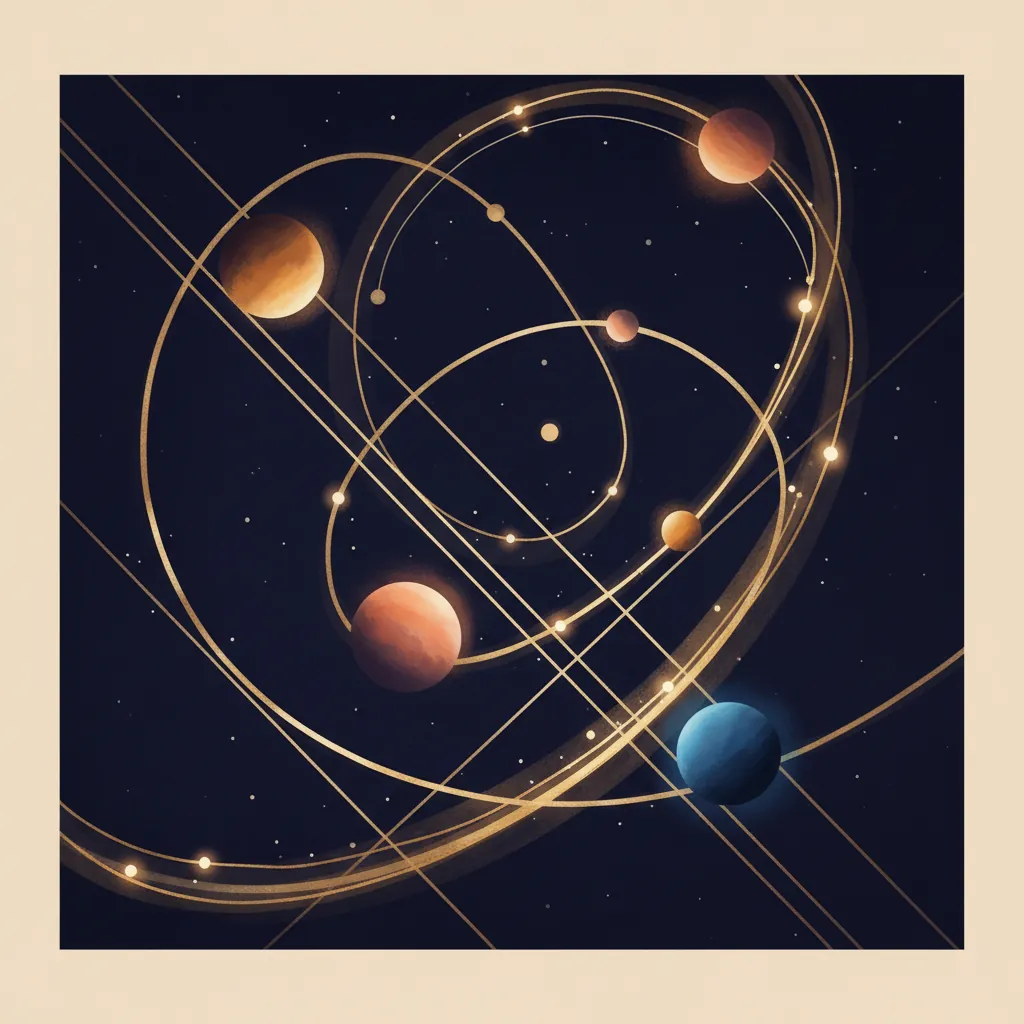
Mercurio retrógrado y otros tránsitos: guía sin pánico
Comprende la ilusión óptica del movimiento retrógrado, la frecuencia real de cada planeta y cómo transformar estos ciclos en pausas constructivas para tu vida diaria.
🇷🇺 Русский · 2026-09-16 · 9 min
Ведическая и западная астрология: зодиак, накшатры и даши
В чем разница между Джйотиш и западной школой, как айянамша сдвигает координаты на 24 градуса и почему накшатры с периодами даш помогают глубокому исследованию себя.

🇸🇦 العربية · 2026-09-02 · 9 min
عبور الكواكب والتقدمات: كيف تقرأ إيقاع العام فلكياً بوعي
دليل عملي لفهم عبور الكواكب اليومية والتقدمات الثانوية، واستيعاب دورات النضج الشخصي كأدوات للتأمل الواعي ومزامنة القرارات مع إيقاع النفس الداخلي.
Other topics
In short
Birth charts, transits, retrogrades and the timing techniques astrologers actually use. Every astrology feature from the daily magazine, in eleven languages, with the free tools behind each one.
- An unknown birth time costs you the Rising sign and every house placement — read those sections as provisional until you find a record.
- Orbs matter more than most articles admit. A ten-degree aspect is a footnote; a one-degree aspect is the headline.
- Slow planets describe chapters, fast planets describe days. Match the article to the timescale of your question.
- Treat any prediction stated as certainty as entertainment. Good astrological writing describes conditions, not outcomes.
- Planet
- Sign
- House
- Aspect
10
Bodies read
12
Houses
5
Major aspects
29 yrs
Saturn cycle
What each layer of a chart answers
Every astrology feature in this topic works somewhere on this ladder. Knowing which rung an article stands on stops the vocabulary blurring together.
| Layer | Question it answers | Timescale |
|---|---|---|
| Planet | What function is involved | Lifelong |
| Sign | In what style it operates | Lifelong |
| House | In which area of life it lands | Lifelong |
| Aspect | Which functions argue or cooperate | Lifelong |
| Transit | What is being triggered now | Days to years |
| Progression | What is maturing internally | Years |
Origins
Astrology writing has swung between two poles for two thousand years. On one side sits the technical literature — Ptolemy's Tetrabiblos, the Arabic compilers, William Lilly's seventeenth-century case books — written for practitioners who already knew the mathematics. On the other sits the popular column, invented for a British newspaper in 1930 and reduced ever since to one paragraph per sign.
This topic is written for the gap between them. Every feature assumes you can read a chart wheel after five minutes of explanation, shows the calculation rather than hiding it, and ends at a free tool that runs the same arithmetic on your own birth data.
The Method
Start from your own chart
Read any technique article with your wheel open beside it. A transit explanation lands very differently once you can see which of your houses it crosses.
Learn the layers in order
Planet before sign, sign before house, house before aspect. Skipping to aspects is the most common reason a chart reads as noise.
Date what you read
Transit and retrograde features are time-stamped. Check the publication date before you plan a month around one.
Test a claim against your own history
Look up where Saturn was during a hard year you actually lived through. Technique articles become useful the moment you verify them backwards.
Practice Notes
- An unknown birth time costs you the Rising sign and every house placement — read those sections as provisional until you find a record.
- Orbs matter more than most articles admit. A ten-degree aspect is a footnote; a one-degree aspect is the headline.
- Slow planets describe chapters, fast planets describe days. Match the article to the timescale of your question.
- Treat any prediction stated as certainty as entertainment. Good astrological writing describes conditions, not outcomes.
- Keep one note per major transit, written before it peaks. Retrospective memory is far too obliging.
Myth & Truth
Commonly said
Astrology is just your sun sign.
In practice
The sun is one of many moving parts in a chart. Two people born on the same day at different hours can share most planetary placements while having different angles and houses.
Commonly said
A difficult transit means something bad will happen.
In practice
A transit describes pressure and its likely shape. What that pressure produces depends on what you already have under construction.
Questions Readers Ask
Do I need my exact birth time to use this topic?
Not for most of it. Planet-in-sign material, retrogrades and moon-phase timing all work without one. Houses, Rising sign and anything angular need a time accurate to roughly ten minutes.
Which zodiac do these features use?
Tropical, the Western standard measured from the equinox, unless the article says otherwise. Sidereal material is filed under the Vedic pieces and labelled as such.
How often is the astrology topic updated?
The magazine publishes one long feature a day, rotating through eleven languages, and astrology is the largest topic in the pool. Dated pages such as retrogrades are refreshed each calendar year.
Can I read these features in my own language?
Yes. Every article is written natively in its publication language, and the site interface, tools and this hub are available in English, Spanish, French, German and Russian.