The Magazine
Topic Tarot
The 78 cards, the spreads, the reversals and how to read a pair as one sentence.
Free tools in this topic
🇫🇷 Français · 2026-09-12 · 10 min
La Roue de Fortune : Signification Complète de l'Arcane X
Comprenez les cycles, synchronicités et bascules de la Roue de Fortune, à l'endroit comme à l'envers, pour naviguer le changement avec discernement.
🇨🇳 中文 · 2026-09-10 · 10 min
九种经典塔罗牌阵实战指南:在不同的人生情境中找到最契合的心智投射工具
塔罗牌阵并非不可违抗的命运预言,而是帮助我们理清思绪、觉察潜意识盲点的认知框架;了解九种经典牌阵的结构特质与适用时机,能让你在面对日常反思、情感互动或重大抉择时,更从容地开启与内在自我的深度对话。
🇫🇷 Français · 2026-09-01 · 10 min
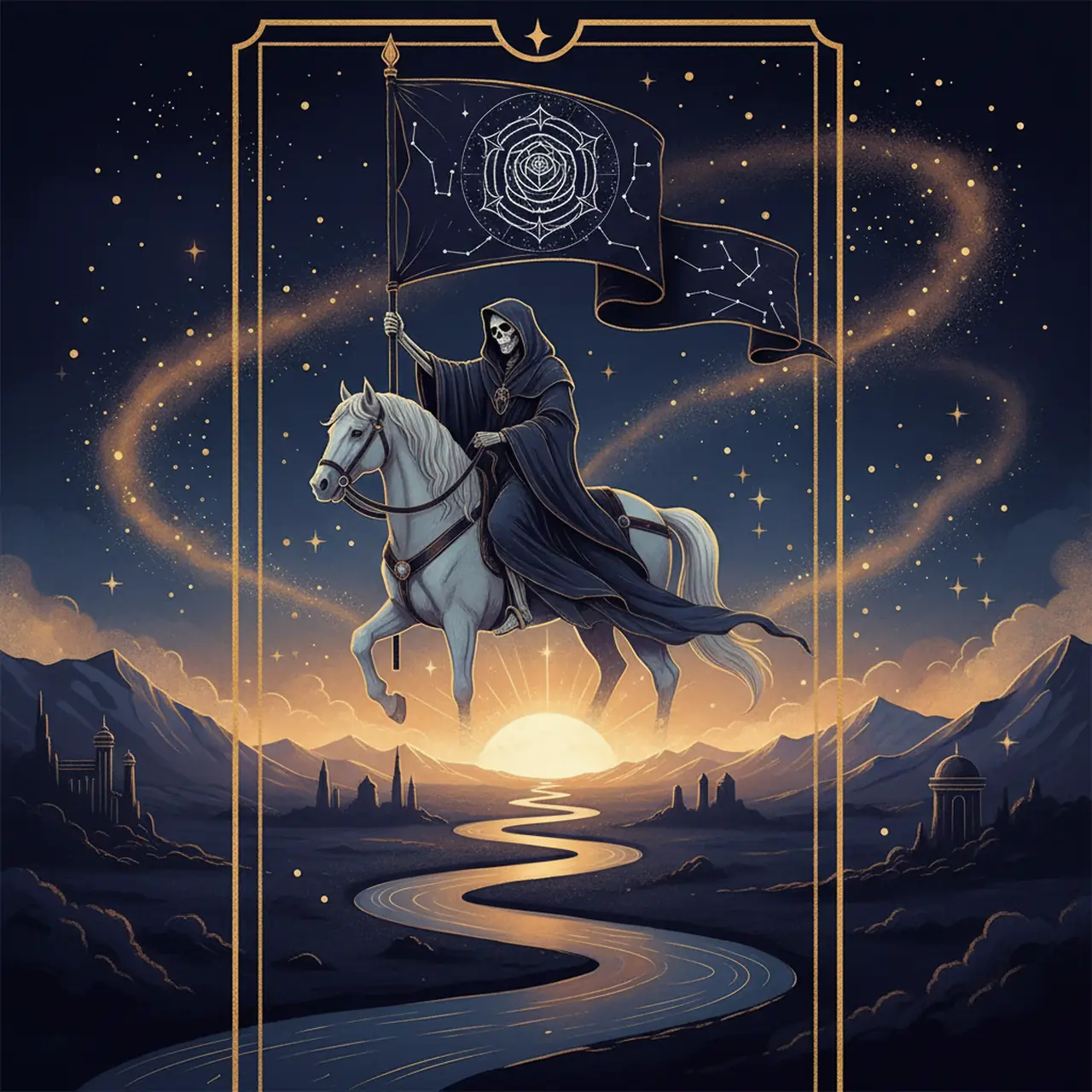
L'Arcane Sans Nom : Symbolisme et Sens de la Mort au Tarot
Découvrez la véritable signification de la carte de la Mort au tarot, à l'endroit comme à l'envers, loin des peurs superstitieuses et au cœur des métamorphoses nécessaires.
🇮🇳 हिन्दी · 2026-08-31 · 10 min
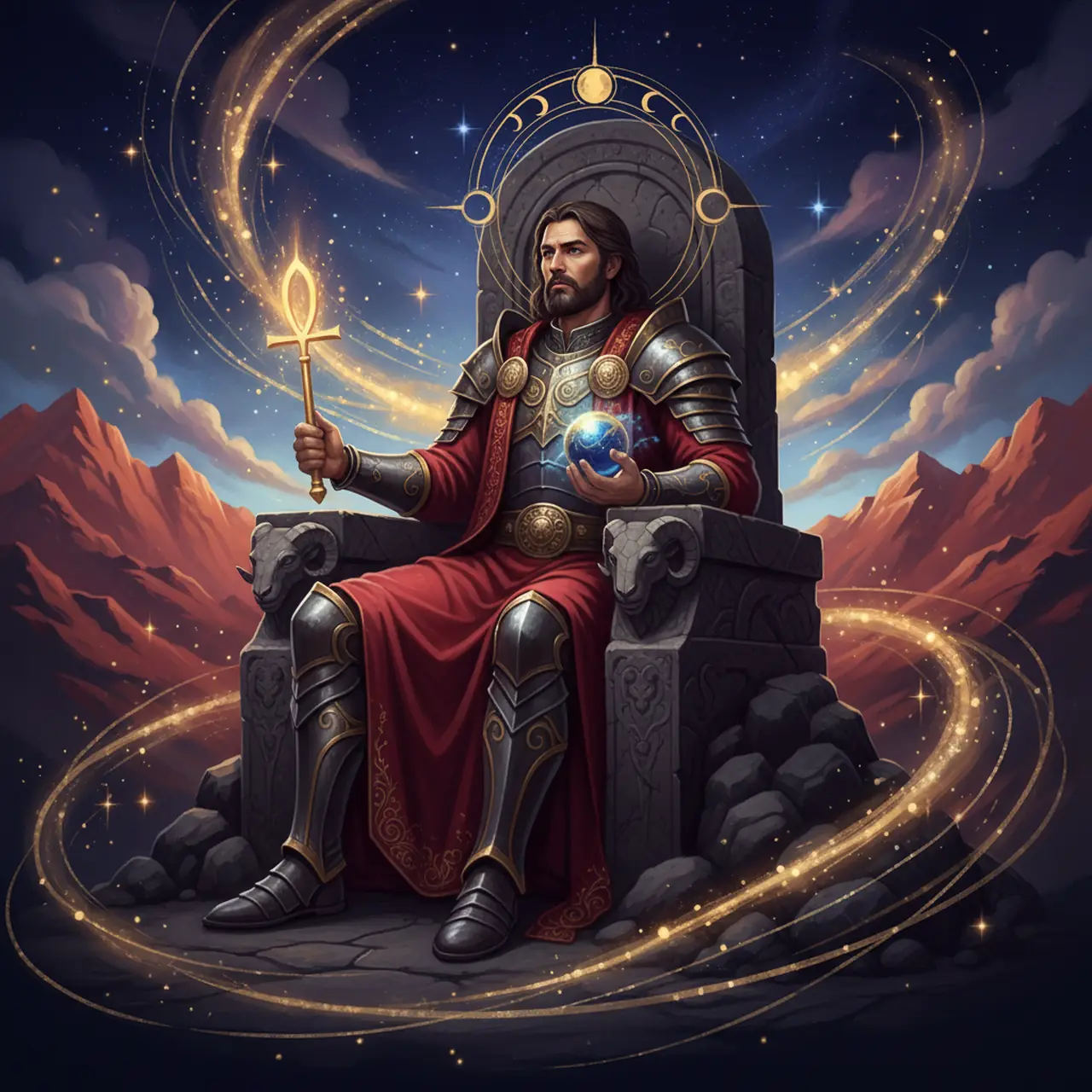
द एम्परर टैरो कार्ड: सीधा और उल्टा अर्थ, प्रतीक और संदेश
अनुशासन, संरचना और आत्म-नियंत्रण का प्रतीक 'द एम्परर' हमें सिखाता है कि सच्ची स्वतंत्रता अराजकता में नहीं, बल्कि मजबूत नींव और स्पष्ट सीमाओं के निर्माण में है।
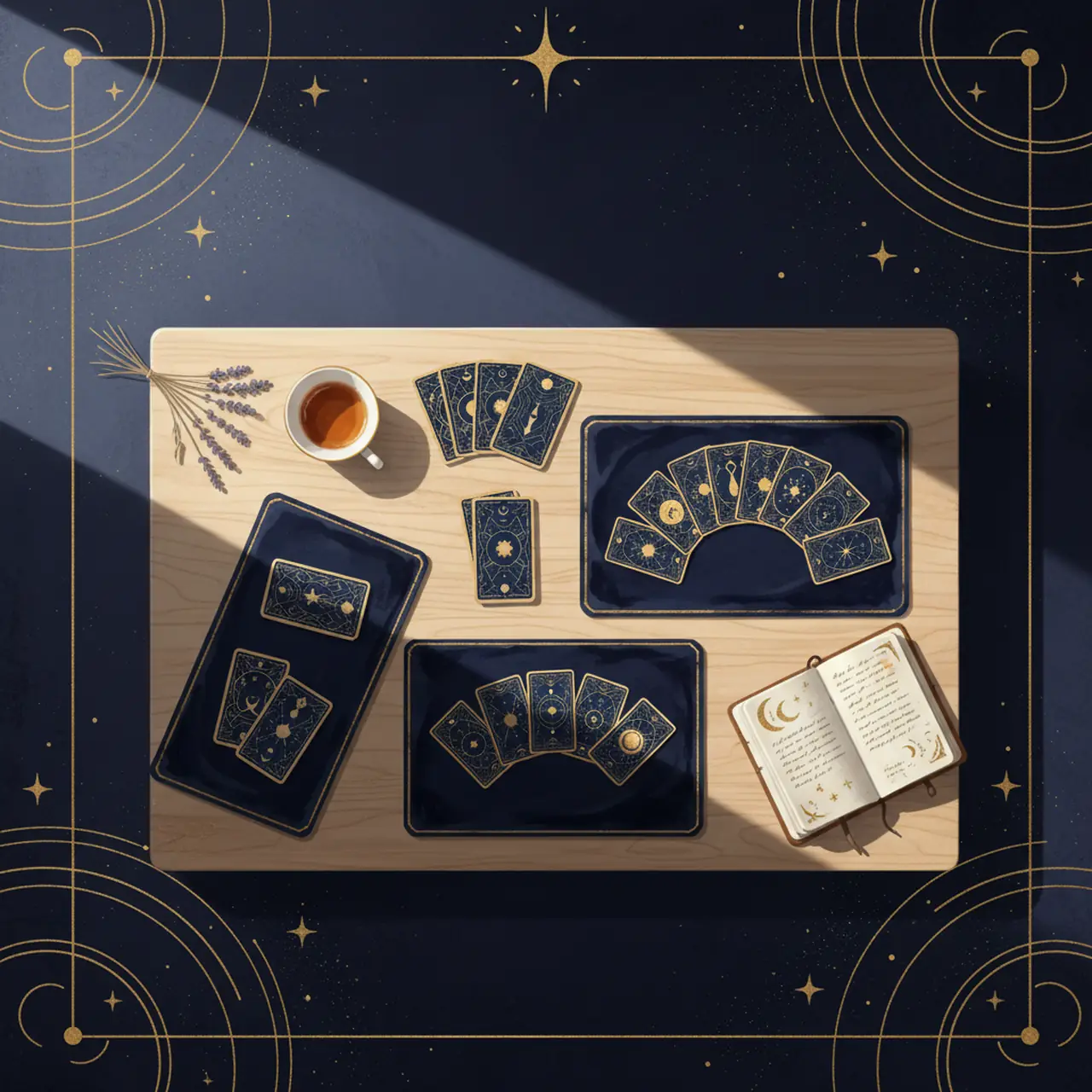
🇪🇸 Español · 2026-08-29 · 9 min
9 tiradas de tarot esenciales: cuándo y cómo usar cada esquema
Descubre cómo elegir la tirada de tarot adecuada para cada momento: desde lecturas rápidas de una carta hasta esquemas profundos de sombra, decisiones y ciclos anuales.
Other topics
In short
The 78 cards, the spreads, the reversals and how to read a pair as one sentence. Every tarot feature from the daily magazine, in eleven languages, with the free tools behind each one.
- Write the reading down before anything resolves. Tarot journals are the only honest way to measure your own accuracy.
- Do not re-draw for the same question. The second spread answers your discomfort, not your question.
- Reversals are optional. Pick a rule — blocked, delayed, internalised or ignored entirely — and keep it for a year.
- Court cards are situations as often as people. Ask what stance the card describes before you cast a friend in the role.
78
Cards
22
Major arcana
3,003
Card pairs
9
Spreads
The four suits and what they govern
Suit tells you which department of life a minor card belongs to before you read a single keyword.
| Suit | Element | Domain | Reads as |
|---|---|---|---|
| Wands | Fire | Drive, work, creation | Momentum and will |
| Cups | Water | Feeling, bonds | Relationship and mood |
| Swords | Air | Thought, conflict | Clarity and its cost |
| Pentacles | Earth | Body, money, craft | Material consequence |
| Major arcana | — | Life chapters | Conditions you do not control |
Tarot began as a card game. The trionfi decks of fifteenth-century northern Italy added a fifth suit of trumps to an ordinary pack, and for three hundred years the cards were played rather than read. Divinatory use arrives in eighteenth-century Paris with Etteilla, and the symbolic system most readers now use was built in London around 1909 by Arthur Waite and Pamela Colman Smith.
That deck's innovation was to illustrate the minor arcana with scenes rather than pip arrangements, which is why a modern reader can tell a story from a spread without memorising a table. The features in this topic follow that lineage: image first, keyword second, and always a check against what the question actually was.
Questions Readers Ask
How many cards should a beginner draw?
One a day for a month, then three. A ten-card Celtic Cross drawn in your first week produces more confusion than insight.
Do the card meanings on this site follow a specific deck?
The Rider–Waite–Smith tradition, because its imagery is public domain and almost every modern deck is a variation on it.
What are card combinations?
Fixed readings for each pair of cards — every one of the 3,003 possible pairs has its own page, because most of what a spread means lives in how neighbours modify each other.
Is a digital draw as valid as a physical shuffle?
For practice, yes. The randomiser is genuinely random; what matters for the reading is the attention you bring to the question.